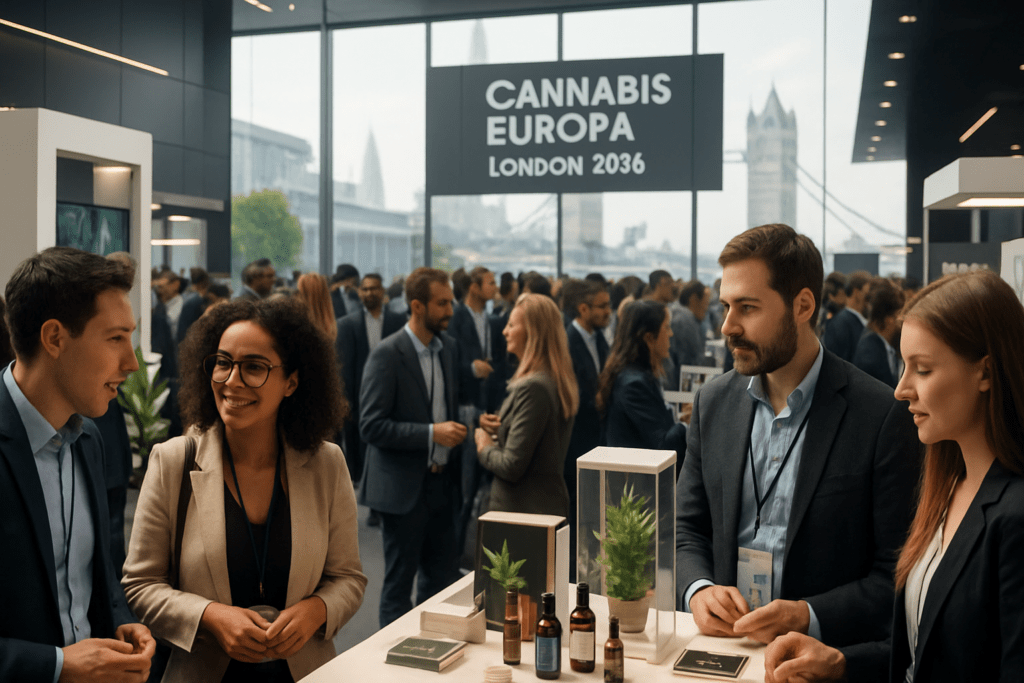
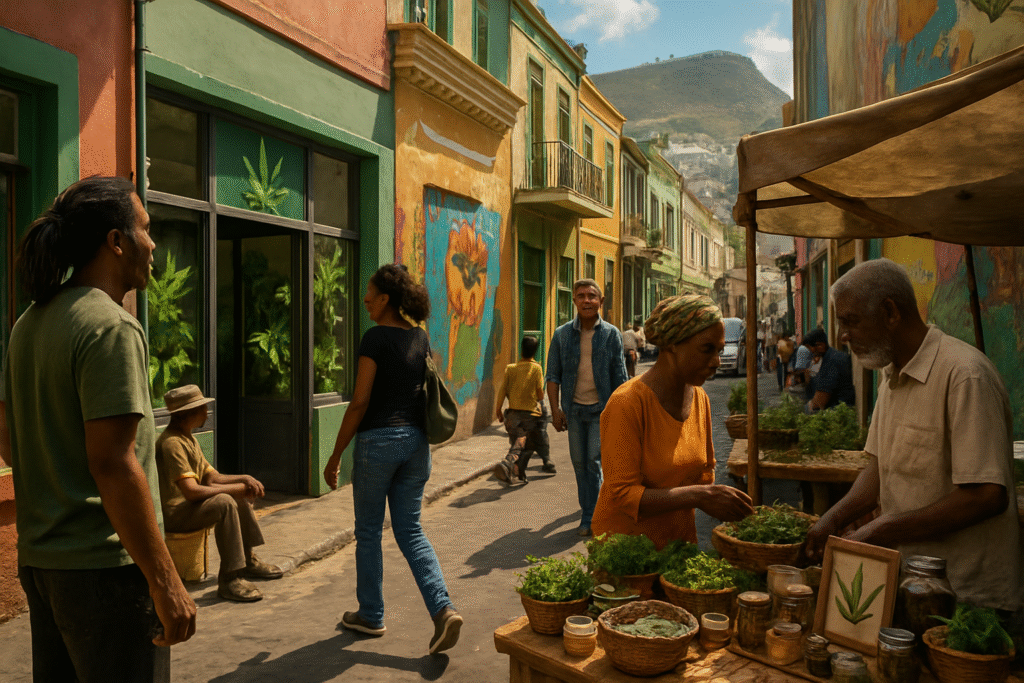
In the wake of the landmark Cannabis for Private Purposes Act passed in May 2024, South Africa stands at a crossroads regarding cannabis legalization. As the first nation in Africa to permit personal cannabis consumption, the journey toward a fully regulated cannabis ecosystem is riddled with ambiguities surrounding production, medical use, and commercial sales. The promises of economic gains, medical breakthroughs, and public health outcomes are hotly contested, reflecting a society grappling with change and uncertainty. The interplay between traditional practices, the burgeoning legal market, and regulatory challenges continues to define the narrative of cannabis in the nation. While private usage has been sanctioned, the complexities surrounding legal sales, medical access, and quality assurance remain unresolved, presenting a patchwork of opportunities and dilemmas for South Africa.
The Legal Landscape of Cannabis in South Africa Post-Legalization
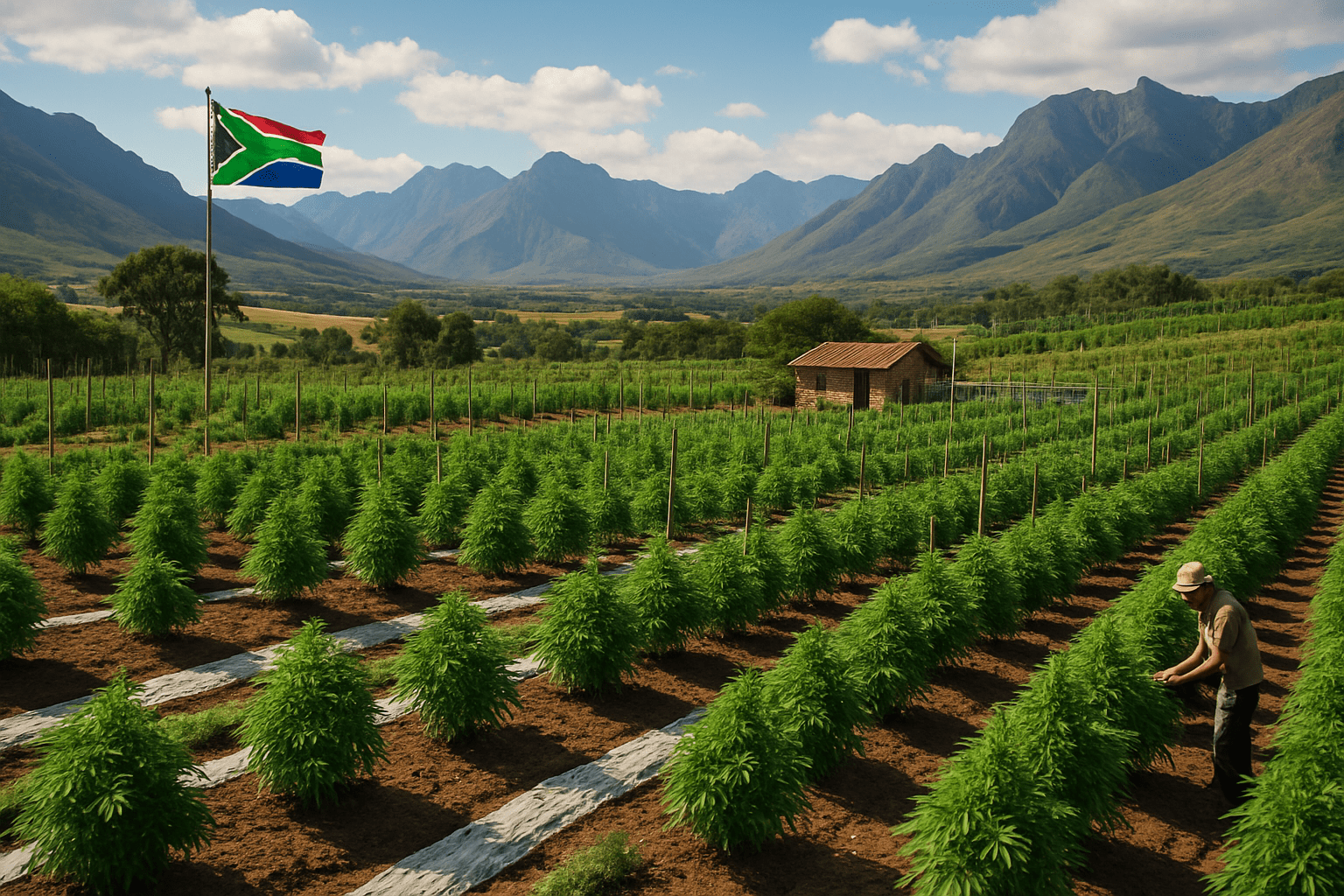
Following the enactment of the Cannabis for Private Purposes Act, adults in South Africa have been granted the right to cultivate and consume cannabis for personal use within private spaces. This development marks a significant shift in dynamics since the Constitutional Court ruling in 2018, which decriminalized personal use. However, the Act has its limitations, particularly regarding quantities and sales, leading to a legal gray area that complicates comprehension.
The legislation permits adults to nurture plants for personal consumption, yet formal purchases of cannabis or seeds remain prohibited. Initially embraced as a progressive move catering to personal freedom, the constraints surrounding cannabis purchases have led to confusion and a sense of disillusionment among supporters and stakeholders alike.
Understanding Cannabis Legislation: Current Provisions and Limitations
The following key points summarize the essential provisions of the Cannabis for Private Purposes Act:
- Adults aged 18 and over can grow cannabis plants in defined amounts for personal use.
- Selling, trading, or gifting cannabis remains illegal.
- The government is yet to finalize the regulatory framework that specifies allowable quantities and cultivation practices.
- Arrests for possession continue, particularly in marginalized, rural areas, despite the legal change.
This incomplete framework perpetuates a disjointed landscape where an individual can cultivate cannabis but ride the waves of legal ambiguity regarding distribution and consumption. As authorities initially appeared lenient, they continue to enforce laws relating to possession, resulting in ongoing apprehensions among local users.
Challenges in Accessing Medical Cannabis: A Growing Concern
South Africa legalized medical cannabis in 2017, but the practicalities surrounding access remain highly contested. With stringent regulations guiding the prescription process, only a limited number of patients are reaping the benefits of medical cannabis. Patients must present diagnosed debilitating conditions and obtain formal approval from healthcare professionals who, in turn, seek permission from the South African Health Products Regulatory Authority (SAHPRA).
The application process can often be disheartening. Fees attached to the application are present, and with an authorization valid for only six months, the cumbersome nature invites skepticism. Consider diverse patient anecdotes, such as Kelly Mcque, a cancer survivor who revealed her journey of crafting her own THC oil amid logistical battles. Her narrative symbolizes both resilience and the shortcomings of the formal system, leading many patients to resort to unregulated community solutions.
The Implications of Unregulated Medical Cannabis Practices
The surge in DIY cannabis solutions brings an array of concerns:
- There is a heightened risk of contamination from unverified sources.
- Patients lack dosage regulation, often leading to inconsistent therapeutic outcomes.
- The absence of quality assessments raises public health concerns regarding safety.
The government has identified these issues but has yet to implement effective measures to address them. Many patients find themselves moving further away from sanctioned medical solutions, navigating the complexities of legality, safety, and efficacy without guidance.
| Year | Event | Impact |
|---|---|---|
| 2017 | Medical cannabis legalization | Introduced legal pathways for therapeutic use, but access remains limited. |
| 2018 | Constitutional Court ruling | Decriminalized personal use, paving the way for future legislation. |
| 2024 | Cannabis for Private Purposes Act | Allowed limited personal cultivation but left sales and commercial aspects unresolved. |
The Economic Potential of a Commercial Cannabis Market
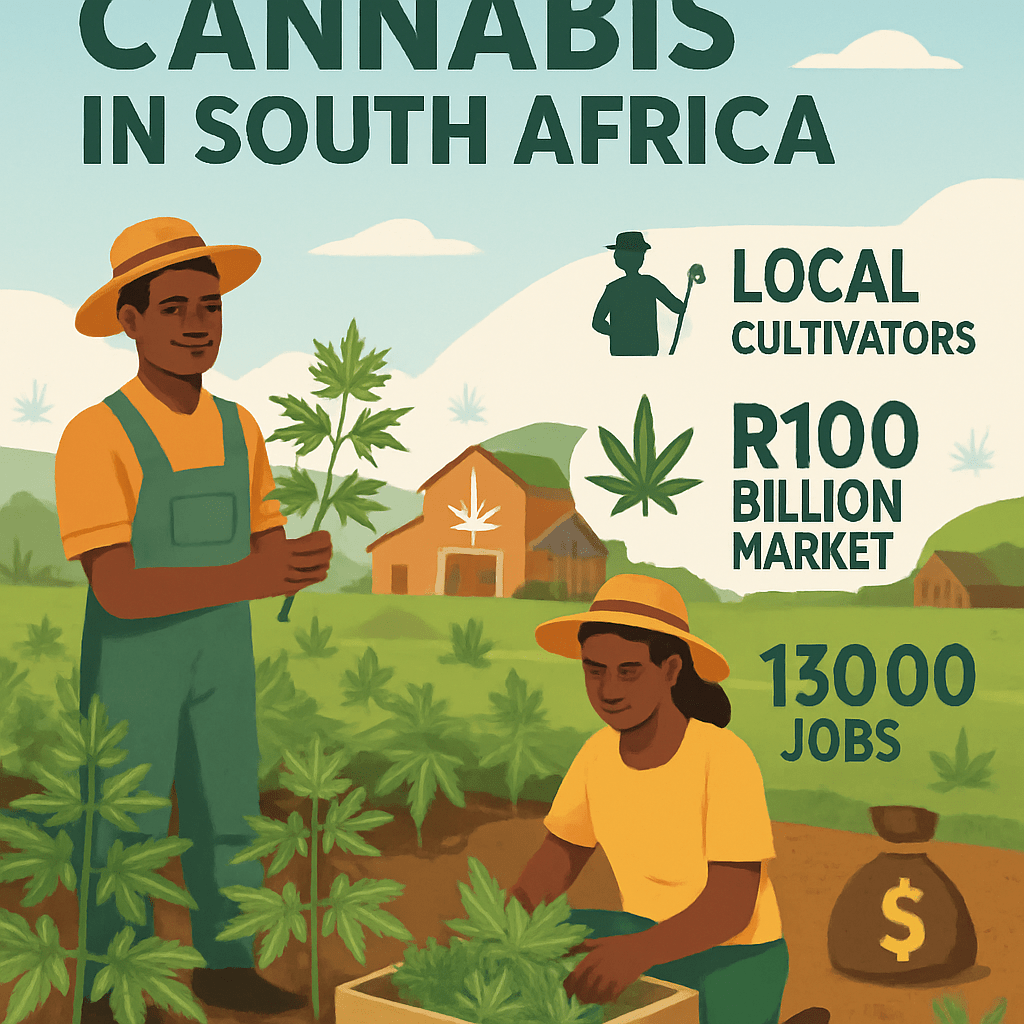
Despite the comprehensive legislative backtrack, the budding cannabis industry presents immense economic prospects. Experts project that South Africa’s legal cannabis economy could reach tens of billions of dollars, driven by consumer demand, tourism, and exports. The benefits of a robust cannabis industry could potentially uplift disadvantaged communities through employment opportunities and entrepreneurship.
However, the path to a viable economic model is fraught with hurdles. For instance, cannabis holders must navigate licensing complications and security protocols that remain ill-defined. Major players feel the pressure to comply with ambiguous directives while local cultivators fear being sidelined in favor of larger international corporations.
Impacts of Economic Disparity on Local Cultivators
For smaller enterprises and indigenous knowledge bearers, the transition toward a commercial cannabis market raises pertinent questions:
- Will small-scale growers receive fair opportunities within the evolving market?
- How will indigenous practices and traditional uses of cannabis be respected and integrated?
- What policy frameworks can ensure equitable distribution of profits generated from cannabis commerce?
The government recognizes these potential pitfalls, leading to discussions about a legislative framework that fuses personal, medicinal, and industrial usage. Such developments aim to protect both local growers and the integrity of traditional practices amid increasing commercial interests.
| Aspect | Opportunities | Risks |
|---|---|---|
| Local Cultivation | Community empowerment and job creation | Commercial market likely favoring established players |
| Tourism | Attracting cannabis tourism and related businesses | Local communities may not see the benefits |
| Exports | International market access and revenue generation | Risk of exploitation by multinational companies |
Public Health Considerations: Balancing Benefits and Risks
As South Africa embraces cannabis legalization, public health considerations have surged into the spotlight. Although many proponents highlight the therapeutic benefits of cannabis for various health conditions, the absence of a fully established regulatory framework poses significant health risks.
Concerns about the potential for misuse and the health implications of widespread cannabis use cannot be overlooked. Researchers emphasize the need for comprehensive public health campaigns to educate consumers about safe usage, potential risks, and the importance of responsible consumption.
Addressing Public Health and Safety Concerns
To mitigate risks, government agencies must focus on proactive approaches, including:
- Developing guidelines for standard dosages and consumption methods.
- Creating education programs aiming for responsible usage and awareness of potential health impacts.
- Implementing quality assurance practices in commercial production to ensure consumer safety.
The endeavor to balance individual rights with collective health outcomes requires a collaborative effort from various sectors, including governmental, medical, and community organizations. As stakeholders begin to engage meaningfully, South Africa stands to lay the groundwork for a responsible and effective cannabis policy.
FAQ
1. What is the legal status of cannabis in South Africa as of 2025?
The Cannabis for Private Purposes Act allows adults to cultivate and consume cannabis for personal use, but purchasing cannabis remains illegal, creating a legal gray area.
2. How can patients access medical cannabis in South Africa?
Patients must be diagnosed with serious conditions and undergo a cumbersome application process through healthcare professionals and SAHPRA to obtain medical cannabis prescriptions.
3. What are the economic opportunities related to cannabis in South Africa?
There is significant potential for job creation, tourism, and export opportunities tied to the cannabis industry, provided that regulatory frameworks favor local participants.
4. What public health measures are in place regarding cannabis use?
Current efforts include developing guidelines for safe consumption, educational campaigns about responsible use, and ensuring quality assurance practices in production.
5. How can small-scale growers benefit from cannabis legalization?
Small-scale growers may have opportunities within the local cannabis market, but equitable regulatory frameworks are needed to protect against larger commercial interests overwhelming their participation.