
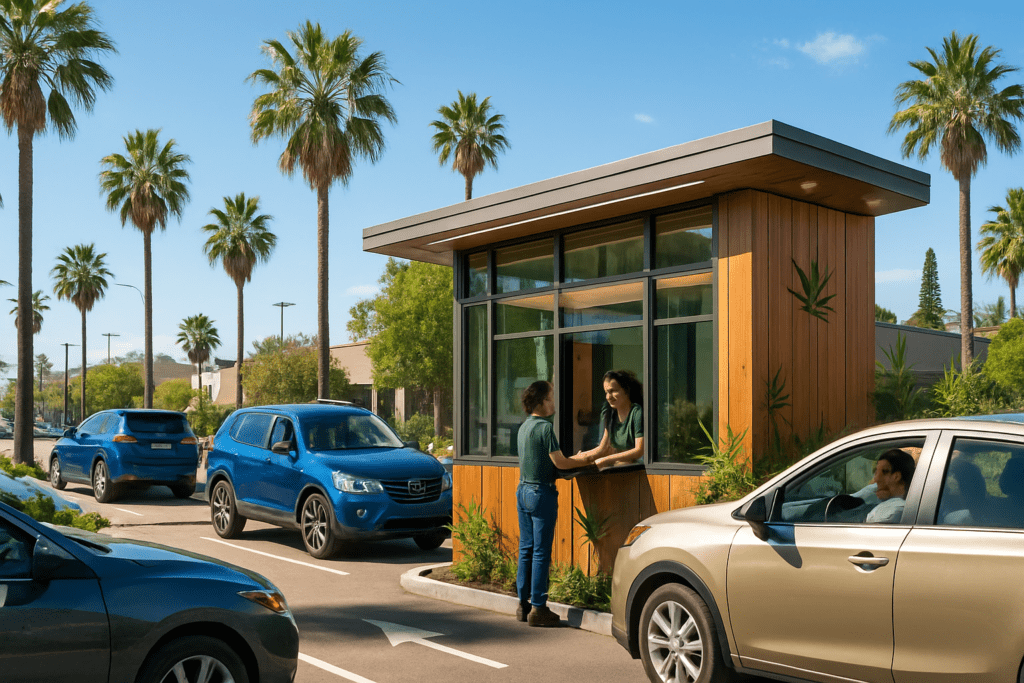
On May 12, 2025, the California Assembly took a significant step towards modernizing the state’s cannabis sales with the approval of Assembly Bill 2697. This pioneering legislation allows licensed cannabis retailers and microbusinesses to establish “drive-in” services, enabling customers to purchase cannabis products directly from their vehicles. With 55 votes in favor, compared to just 9 opposed, the bill is now set to be evaluated by the California Senate. Proposed by Democratic Assemblywoman Gail Pellerin, this initiative addresses growing concerns about accessibility for cannabis consumers, particularly those with mobility challenges. Notably, this move could represent a substantial shift in how cannabis is purchased in California, making it easier for legal dispensaries to compete with illicit markets and enhancing convenience for medical patients.
Understanding the Drive-In Cannabis Dispensary Model
The drive-in dispensary model is designed to create a seamless shopping experience for cannabis customers, reminiscent of the traditional drive-in restaurants. By allowing purchasers to stay in their vehicles while accessing their desired products, this model caters to various consumer needs, including the elderly and disabled. This initiative is part of a broader effort to improve access to legal cannabis, especially in a state where the underground market continues to thrive.
Key Features of the Proposed Legislation
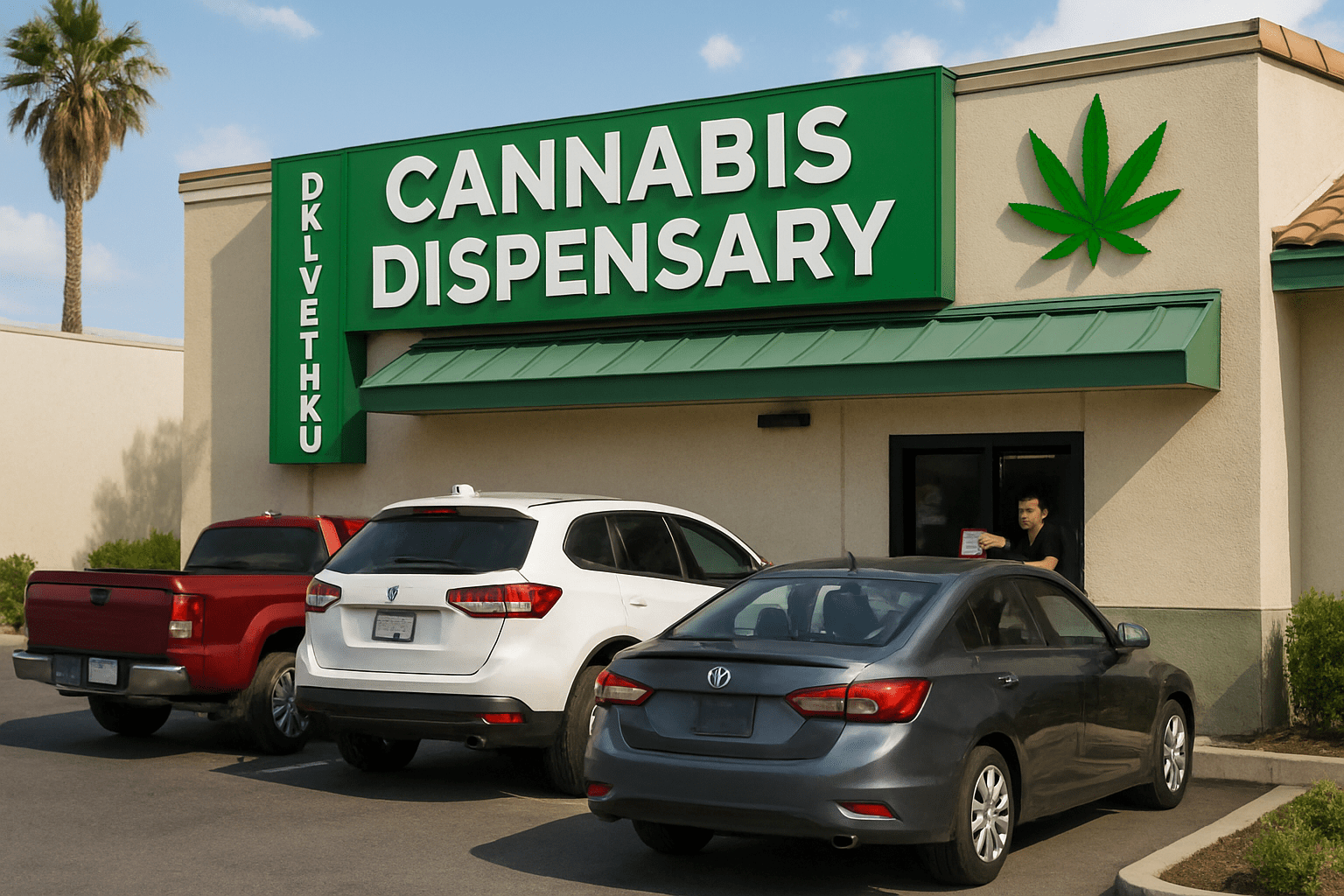
Assembly Bill 2697 outlines several essential features that dispensaries must adhere to when implementing drive-in services:
- Secure Transactions: All transactions must be conducted through a secure fixed window, equipped with a safety drawer or similar mechanism to minimize risk.
- Local Approval: Before implementing drive-in services, dispensaries must obtain approval from local authorities, ensuring they align with community standards and regulations.
- Compliance with Regulations: Dispensaries will have to follow stringent state guidelines to guarantee the safety and legality of the cannabis being sold.
This legislation is a direct response to previous critiques of the California cannabis retail environment. Assemblywoman Pellerin has emphasized the inadequacies of current purchase methods available in the state. The traditional experience of visiting a dispensary often posed challenges for consumers used to a more immediate form of access like fast-food drive-thrus.
Expansion of Accessibility for California Consumers
Proponents of AB 2697 assert that this new model could significantly enhance accessibility for many Californians. Prior to this legislation, options for purchasing cannabis were often limited, especially for those with disabilities or other mobility issues. The introduction of drive-in services addresses these concerns effectively, making it easier for individuals who may struggle to enter a dispensary to access cannabis products safely and conveniently.
To understand the impact of this legislation, consider the following statistical data:
| Aspect | Current Challenges | Predicted Improvements |
|---|---|---|
| Accessibility | Limited options for those with mobility issues | Increased access via drive-in services |
| Competition | High illegal market activity | Stronger legal market presence |
| Convenience | Inconvenient in-person shopping | Quick transactions from vehicles |
By streamlining the purchasing process, the drive-in model not only meets consumer needs but also solidifies the position of legal cannabis dispensaries against growing illicit competition.
Concerns Addressed by Law Enforcement and Critics
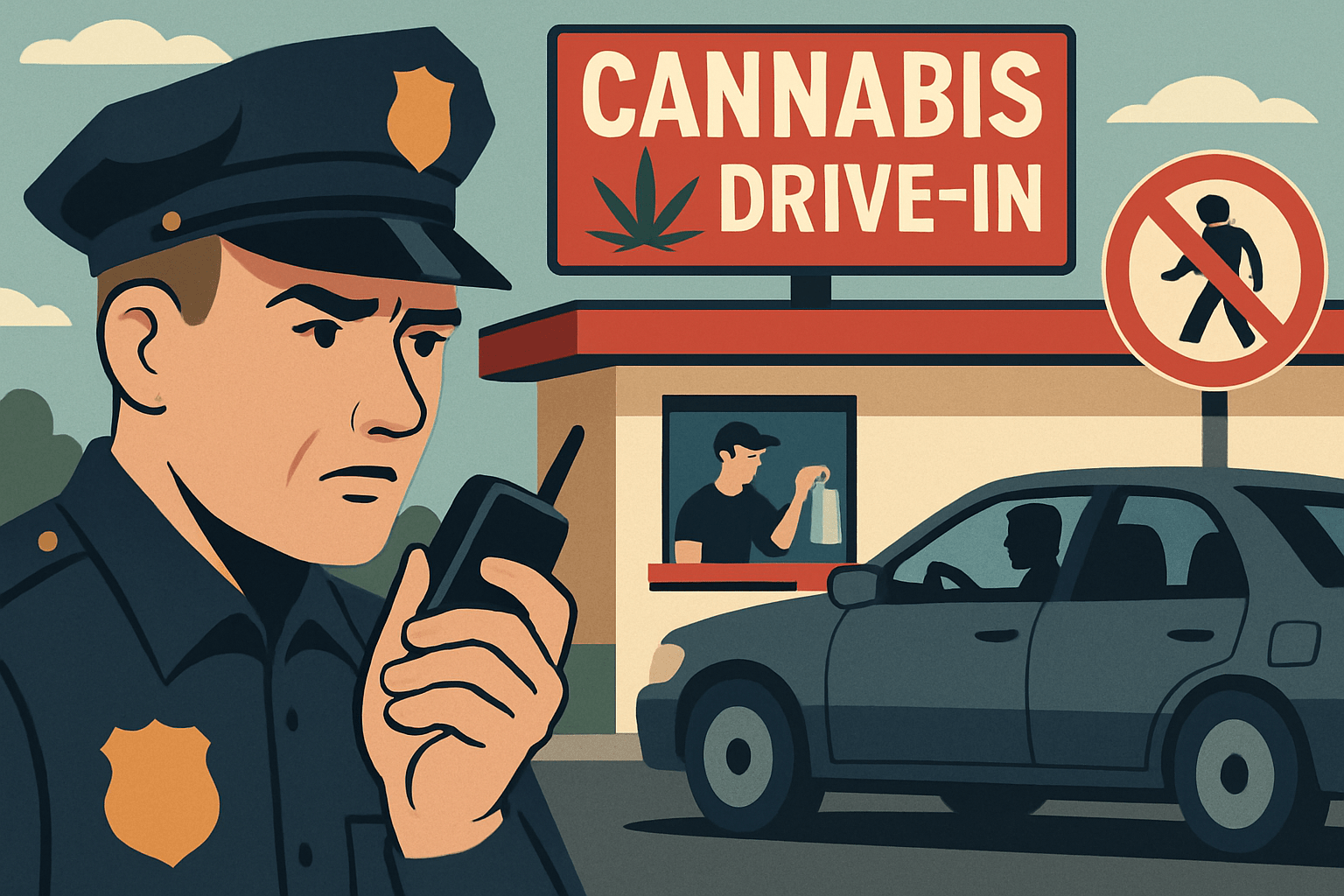
Despite the potential advantages, the legislation has not been without its critics. Law enforcement groups have expressed significant concerns over the impact of drive-in sales on public safety, particularly regarding impaired driving. The California Narcotic Officers’ Association has voiced strong opposition, suggesting that this new model could lead to increased instances of driving under the influence of cannabis.
Critics argue that making cannabis purchasing as accessible as fast-food dining may lead to higher chances of individuals consuming cannabis immediately after purchase. They caution that this could reinforce dangerous behaviors, especially with potent products, including edibles, which can lead to delayed effects and potentially hazardous situations on the road.
Understanding Key Concerns
Several specific issues have been highlighted by opponents of the drive-in dispensary model:
- Increased Risk of Impaired Driving: Critics warn that there is a direct link between the ease of access to cannabis and the likelihood of consuming it before driving.
- Comparative Substance Regulation: Questions arise as to why cannabis sales would be considered differently from alcohol drive-thrus, which are not currently permitted in California.
- Potential for Increased Crime: There are concerns about heightened exposure to drug-related incidents and potential criminal activity surrounding easy-access dispensaries.
Moreover, discussions surrounding safety protocols are critical. Ensuring that dispensaries implement robust measures to verify the age and sobriety of customers becomes essential to maintain public trust and safety.
Law Enforcement’s Perspective on Cannabis Sales
The law enforcement community’s hesitation is not entirely unwarranted. With California already grappling with issues of impaired driving, introducing new avenues for purchasing cannabis could complicate matters further. However, proponents argue that with the right regulations, drive-in dispensaries could provide exciting new opportunities for responsible consumption while supporting the legal cannabis market’s growth.
Contextualizing the Drive-In Sales Amid California’s Cannabis Evolution
The move towards drive-in cannabis dispensaries is just one facet of California’s ongoing journey of cannabis reform. Since the legalization of recreational marijuana sales in 2016, the state has seen many shifts in its regulatory approach, adapting to the complex needs of the market and its consumers. This bill exemplifies the state’s readiness to explore innovative solutions in a continuously evolving landscape.
During the COVID-19 pandemic, for instance, many dispensaries were given permission to offer curbside pickup services. This move highlighted the necessity for flexibility in order to accommodate customers’ safety and convenience. The drive-in model builds on that framework, seeking to offer a more permanent solution to a growing consumer preference.
Legislative Trends in Cannabis Reform
California’s move to approve this new dispensary model is part of a broader trend that includes:
- Enhancements in Delivery Services: With consumers increasingly turning to delivery, states are adapting transportation laws surrounding cannabis.
- Broadened Accessibility for Medical Users: Initiatives aimed at making medical cannabis more accessible through various distribution methods reflect a compassionate approach to healthcare.
- Comparative Legalization Efforts: Other states continue to observe California’s adjustments, with many looking to follow suit with their own innovative solutions for cannabis regulations.
As observed, the California Assembly is actively navigating these changes with a focus on consumer needs and safety while ensuring the legal market thrives. The disposition towards drive-in services is a clear signal of a more responsive regulatory environment that listens to citizens’ demands.
Potential Impacts on the Future of Cannabis Sales
If Assembly Bill 2697 passes through the Senate and becomes law, it may usher in a new era for cannabis sales in California. The state is already one of the most dominant cannabis markets across the nation, and this legislation could enhance its position further. States such as Colorado and Oregon are experiencing a continual evolution in cannabis regulation, and California seeks to stay at the forefront.
The drive-in model has the potential to increase revenue streams for legal dispensaries while providing consumers with greater convenience. Simultaneously, it could further blur the lines between cannabis retail and traditional consumer habits.
Future Considerations of Cannabis Legislation and Consumer Trends
Several key factors will shape the future trajectory of cannabis sales if the legislation passes:
- Consumer Demand for Convenience: As consumers prioritize quick and efficient purchasing options, drive-in services may become an industry standard.
- Impact on Black Market Activity: Enhanced accessibility could slow the growth of the illicit market by making legal purchases more appealing.
- Potential Regulatory Changes: As the sector evolves, legislators may continue to amend laws to adapt to consumer preferences and emerging trends within the industry.
As these factors coalesce, California has the opportunity to reinforce its standing as a leading market in cannabis innovation. The outcome of this drive-in dispensary legislation could set benchmarks for other states considering similar measures.
FAQ
What is Assembly Bill 2697?
Assembly Bill 2697 is a legislative proposal in California that permits licensed cannabis dispensaries to offer drive-in services for consumers, allowing them to purchase cannabis products directly from their vehicles.
Who proposed this legislation?
The bill was introduced by Assemblywoman Gail Pellerin, a Democratic representative in California, emphasizing the need for improved access to legal cannabis.
How will this model improve accessibility for consumers?
The drive-in model aims to enhance access for consumers, especially those with mobility issues, allowing them to obtain cannabis without having to leave their vehicles.
What are the concerns raised regarding the drive-in model?
There are concerns about increased risks of impaired driving, potential crimes associated with easy cannabis access, and how driving laws for cannabis sales could compare with those for alcohol.
What impact could this have on California’s illegal cannabis market?
If implemented successfully, the drive-in sales model could provide legal dispensaries with a competitive edge, potentially reducing the growth and prevalence of the illegal cannabis market in California.