

The Canadian government is preparing to implement significant changes to its medical cannabis reimbursement program for veterans. This shift is largely driven by the need to rein in expenses in a budget that aims to cut federal spending by $60 billion over five years. The proposed budget, introduced in the House of Commons on November 4, seeks to save $4.4 billion between 2025 and 2029 by reducing the reimbursement rate for medical cannabis from $8.50 to $6.00 per gram, while keeping the current daily limit of three grams intact.
With more than 27,000 veterans currently participating in the program, and with previous years seeing reimbursements totaling upwards of $245 million, the program’s drastic revisions raise alarm bells within the industry and among the veterans’ community. Critics argue that this reduction fails to recognize the realities of the market and the significant role that medical cannabis plays for many veterans struggling with health issues related to their service. As stakeholders prepare for a potential restructuring of this financially pivotal program, the implications for both veterans and cannabis producers are manifold.
Understanding the Current Landscape of Medical Cannabis Reimbursement
The reimbursement framework for medical cannabis in Canada has undergone significant evolution since its inception. Originally implemented as a modest program in 2011, the initiative was designed to provide veterans with the financial assistance necessary to access cannabis as a therapeutic option. Over the years, as more veterans sought these reimbursements, the program expanded dramatically, culminating in a staggering 27,000 beneficiaries by the 2024 fiscal year.
This growth is reflected in the increasing volume of cannabis reimbursed, which reached almost 30,000 kilograms within a single year. To put this in perspective, since the program’s launch, the total amount of cannabis reimbursed has surpassed 143 million grams, amounting to over a billion dollars in public expenditure. These numbers illustrate not just the growing acceptance of medical cannabis, but also the government’s recognition of its potential benefits for a subset of the veteran population.
In 2016, significant policy changes were instituted that capped both price and quantity covered under the reimbursement program, requiring veterans to obtain physician documentation to qualify for benefits. This structured approach led to greater accountability, but also created tensions between the need for fiscal responsibility and the personal health needs of veterans.
| Year | Number of Beneficiaries | Reimbursed Cannabis (kg) | Total Expenditure ($) |
|---|---|---|---|
| 2011-2012 | 37 | 0.03 | 0.25 million |
| 2021-2022 | 15,000 | 20,000 | 155 million |
| 2024-2025 | 27,000 | 30,000 | 245 million |
The impending budget cuts underscore the conflict between financial austerity and the advocacy for veterans’ health. As the Health Canada guidelines maintain strict regulations, the challenge will be achieving a balance that serves both fiscal responsibility and patient welfare. Ultimately, these changes could significantly reshape the assistance available to veterans seeking medical cannabis, raising questions about access, equity, and sustainability.

Industry Impacts: Voices from the Cannabis Sector
The cannabis industry finds itself at a crucial crossroads, facing the weight of imminent budget revisions against a backdrop of high taxation and stiff competition from illegal markets. Major players in the medical cannabis space, including Aurora Cannabis, Canopy Growth, and Tilray, have already voiced concerns over the impact of proposed cuts. Industry leaders argue that government cuts to reimbursement rates could disrupt patient care and harm the continuity of treatments for veterans reliant on these products.
In statements reflecting widespread discontent, Miguel Martin, CEO of Aurora, emphasized the lack of industry consultation in this decision-making process. He expressed disappointment that the government has positioned these cuts without engaging producers who supply the medical market, warning that such cuts could not only destabilize services but potentially compel patients to seek alternatives in less controlled environments. This sentiment is echoed by Beena Goldenberg, CEO of Organigram, who noted the missed opportunity to bolster the legal sector of the cannabis economy.
- Industry Growth: The legal cannabis sector has generated approximately $16 billion added to Canada’s GDP.
- Job Creation: The industry supports over 227,000 jobs nationwide.
- Consumer Engagement: 35% of Canadians reported having consumed cannabis in the last six months, with many favoring updated regulations to improve competitiveness.
The looming changes have sparked fear about potential disruptions to treatments, with many veterans expressing concern that these reductions in reimbursements could compromise their access to essential therapies. Unlike traditional medications, cannabis requires a nuanced understanding and careful administration, and many fear that reduced funding will push veterans toward unregulated alternatives, thereby increasing health risks.
Legislative Context: The Push for Budgetary Revisions
The budget proposal from the federal government raises important questions about legislative priorities in Canada’s healthcare landscape, particularly concerning Veterans Affairs Canada. Amid spending cuts that aim to reduce deficits, the treatment of veterans through medical cannabis financing signals a troubling trend that may prioritize cost-saving over patient care.
As parliament prepares to vote on the budget, the stakes are substantial. Should the proposal face rejection, the current liberal minority government could potentially fall, leading to early elections and a reevaluation of policies surrounding veterans’ benefits. This potential upheaval reflects the immense scrutiny on government spending, especially concerning essential health services funded by taxpayer dollars.
| Proposed Changes | Description | Implications |
|---|---|---|
| Reimbursement Rate Reduction | From $8.50 to $6.00 per gram | Access to treatment could be limited for veterans with financial constraints. |
| Daily Allowance Maintained | Limit of three grams per day remains unchanged | Potential mismatch between patient needs and allowable coverage. |
| Overall Budget Cuts | $4.4 billion savings targeted | Long-term impacts on patient health outcomes and services. |
This questioning of fiscal prudence versus genuine welfare for veterans is further complicated by the backdrop of significant public opinion favoring responsible spending combined with reliable healthcare access. The potential for increased political turbulence amidst budget discussions signifies just how pivotal this moment is, both for the wellbeing of veterans and for the broader cannabis industry.
Stakeholder Reactions: The Call for a More Balanced Approach
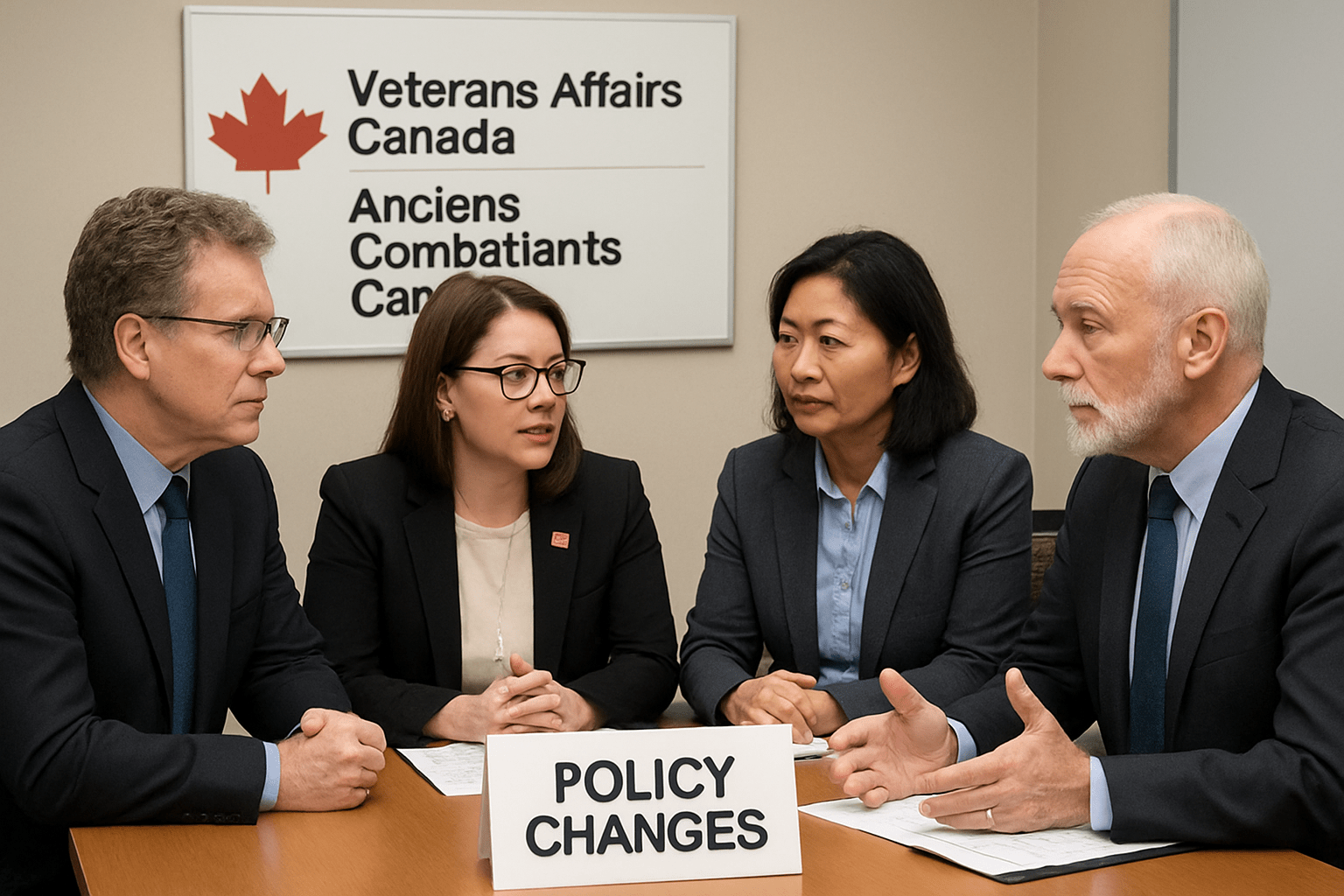
Following the recent announcements regarding budget cuts, various stakeholders have joined forces to express their concerns regarding the potential ramifications for veterans and medical cannabis accessibility. The consortium of medical cannabis producers, veterans’ advocacy groups, and healthcare professionals emphasizes the need for a more balanced approach.
Industry representatives, particularly from key companies like MedReleaf, Tweed, and Shoppers Drug Mart, stress the importance of collaborative dialogue with the government to ensure the needs of both veterans and producers are met. Numerous voices from within the community call for an inclusive framework that offers veterans delivery options while also maintaining price parity in the market.
- Collaborative Dialogue: Industry players advocate for conversations with government.
- Patient Welfare: Urgent need for policy that prioritizes veteran health.
- Market Stability: Protecting cannabis businesses whilst supporting veterans.
As discussions around budgetary constraints unfold, the implications of this possible legislative shift extend far beyond financial savings. The dialogue’s outcome may well determine the future landscape of medical cannabis access in Canada while providing crucial insights into how government bodies engage with public health concerns.
Future Outlook: What Lies Ahead for Veterans and Medical Cannabis
As Canada navigates the complexities of balancing budgetary considerations with the health needs of veterans, the future of the medical cannabis reimbursement program remains uncertain. The proposed budget cuts not only highlight the contending priorities of government spending, but they also threaten to create hurdles for veterans who rely on cannabis for their medical treatment.
Given the growing evidence of the effectiveness of cannabis as a therapeutic agent, it is crucial for the government to explore alternatives that do not compromise access for veterans. With the cannabis market evolving rapidly, industry leaders are calling for innovative and proactive approaches that account for the ongoing needs of patients while fostering a viable industry.
The stakes have never been higher as the Canadian government grapples with these pivotal choices. Addressing veterans’ needs, combined with fiscal responsibilities, will demand strategic thinking and collaboration across sectors. Ensuring the lasting benefits of medical cannabis for veterans may hinge on these crucial discussions, which could redefine both the healthcare and cannabis landscape in Canada.
FAQ
Q1: What is the new reimbursement rate proposed for medical cannabis for veterans?
A1: The proposed change would decrease the reimbursement rate from $8.50 to $6.00 per gram.
Q2: How many veterans currently benefit from the medical cannabis program?
A2: As of 2024, over 27,000 veterans are covered under this program.
Q3: Who are some of the major companies involved in the medical cannabis sector?
A3: Some key players include Aurora Cannabis, Canopy Growth, Tilray, and Organigram.
Q4: What are the potential impacts of the budget cuts?
A4: The reductions could limit veterans’ access to essential treatments, compromise care continuity, and impact the overall health industry.
Q5: What actions are being advocated by industry representatives?
A5: Industry representatives are calling for more consultation with the government and policies prioritizing patient welfare while supporting the cannabis market.