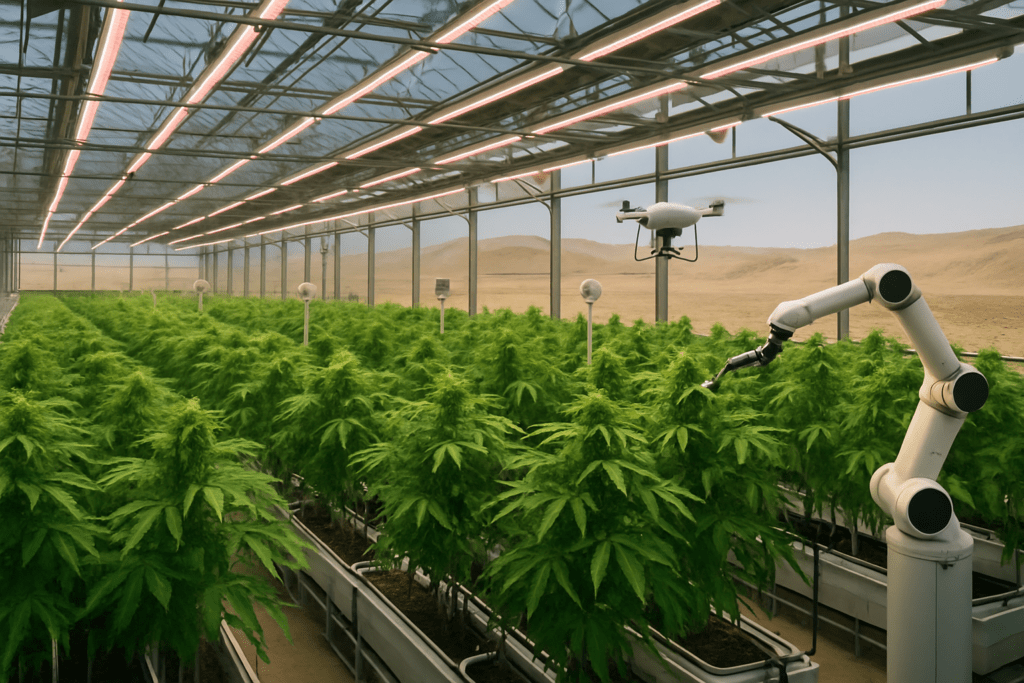

In a significant move towards cannabis regulation, Pakistan has taken strides to establish a dedicated Cannabis Control and Regulatory Authority (CCRA), a milestone that aligns with global trends in cannabis legalization and regulation. This initiative comes on the heels of the government’s commitment to transform the cannabis industry, particularly focusing on medical and industrial uses. As new regulatory frameworks emerge, they promise to strengthen the economy while emphasizing public health and safety. The initiative marks a departure from long-standing drug policies that cast cannabis in a negative light, paving the way for integration into a legalized framework.
Pakistan’s Journey Towards Cannabis Regulation
The journey of cannabis regulation in Pakistan is unprecedented, driven by a long history intertwined with cultural practices and impending economic possibilities. The Cannabis Control and Regulatory Authority was established following an ordinance promulgated by former President Dr. Arif Alvi, which laid the groundwork for a formal structure overseeing the cultivation, processing, and commercialization of cannabis. This marks a pivotal moment where the government seeks not only to regulate but also to integrate traditional cannabis cultivation practices into an official economic framework.
The Regulatory Framework and Its Structure
The CCRA operates under a governance model that comprises a board of 13 members, including key officials from various government sectors. The Secretary of the Defense Division chairs the board, emphasizing the strategic importance the government places on this regulatory body. The inclusion of representatives from law enforcement agencies such as the Inter-Services Intelligence (ISI) and the Pakistan Drug Regulatory Authority illustrates a comprehensive approach to cannabis regulation, aiming to oversee the market closely. This structure is designed to provide a balanced perspective on cannabis legislation and enforcement, ensuring that both medical and industrial applications are pursued.
Key responsibilities of the CCRA include:
- Issuing licenses for cannabis cultivation and production with validity for five years.
- Advising the federal government on drug policy and related legislative changes.
- Establishing regional offices to enhance operational efficiency.
- Encouraging local farmers to participate in the regulated market.
Engagement with Local Communities
A notable aspect of the CCRA’s approach is its proactive engagement with local communities, particularly traditional growers who have cultivated cannabis for generations. This outreach is exemplified by a recent meeting held in Islamabad with tribal leaders from the Tirah Valley, a region with a rich cultural history of cannabis farming.
General Zahid Ullah Khan (Retd), who presided over the meeting, underscored the significance of transforming the previously illegal cultivation into a legitimate economic opportunity. He highlighted that such initiatives could lead to economic empowerment and dignity for local farmers, shifting away from stigmatization associated with cannabis.
| Engagement Strategies | Expected Outcomes |
|---|---|
| Community Meetings | Transparency in policy and cultivation practices |
| Licensing Support | Economic growth and sustained income for farmers |
| Joint Advisory Committees | Addressing concerns about pricing and illegal entities |
This engagement not only promotes acceptance among communities but also serves to address pressing concerns regarding economic viability and fairness in competitive practices. The CCRA’s commitment to forming advisory committees with local stakeholders reflects a recognition of the need to build trust in the regulatory system.
National Strategy on Cannabis Medical and Industrial Use
In January 2026, the federal cabinet took a monumental step by approving a comprehensive National Cannabis Control Policy, which represents the first of its kind in Pakistan. This policy aims to establish a regulatory framework focused on both medicinal and industrial applications of cannabis, aligning with global best practices. The policy’s introduction is built on earlier legislative milestones, including the legalization of industrial hemp and medical cannabis cultivation.
Focus Areas of the National Cannabis Policy
The overarching strategy encompasses various critical domains, targeting not only the utilization of cannabis but also the development of a robust supply chain. Specific focus areas include:
- Development of pharmaceutical cannabis extracts for treating ailments such as epilepsy.
- Promotion of hemp as a sustainable resource for textiles and other industrial purposes.
- Establishment of scientific research facilities to ensure quality and regulatory compliance.
The government allocates approximately 1.95 billion Pakistani Rupees (around $6 million) towards developing controlled cannabis environments, including greenhouses for medical cannabis production and a national laboratory for analysis. This investment reflects a forward-thinking approach to ensuring that Pakistan’s cannabis industry emerges as scientifically sound and economically viable.
Potential Benefits and Challenges
As Pakistan positions itself in the global cannabis market, a range of potential benefits arises, including economic growth, job creation, and increased foreign investments. However, challenges remain, particularly concerning regulatory compliance and public health safety. The government must navigate complex dynamics while ensuring that public health is prioritized.
| Potential Benefits | Challenges |
|---|---|
| Economic Boost | Ensuring compliance with international regulations |
| Job Creation | Maintaining public health standards |
| Growth in Local Business | Addressing social stigma related to cannabis |
It is essential for Pakistan to develop a balanced approach that embraces innovation while safeguarding public health interests. This dual focus will undoubtedly play a critical role in shaping the future of cannabis regulation in the country.
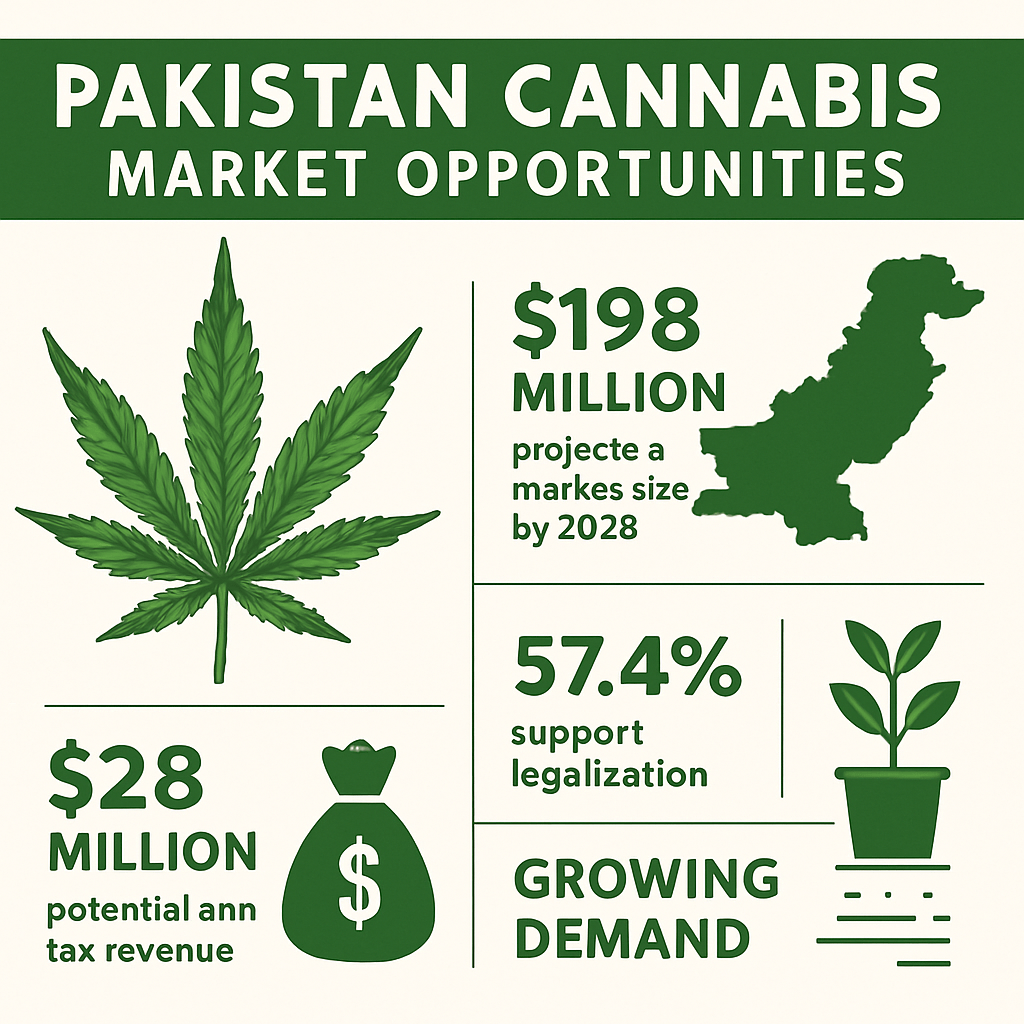
Global Cannabis Legalization Trends: Contextualizing Pakistan
As Pakistan embarks on redefining its cannabis landscape, it is crucial to contextualize its efforts within the broader global movement towards legalization and regulation. Numerous countries have begun to revolutionize their cannabis policies, recognizing the potential for economic growth and public health benefits.
International Inspirations and Comparisons
For instance, Canada has set a precedent with its comprehensive legalization model, pioneering various sectors from medicinal to recreational cannabis. The United States has seen a patchwork of state-level legalizations, spurring economic growth while engaging in ongoing debates about public health and safety.
Additionally, several African nations, like South Africa, have begun to reform their cannabis legislation, moving toward formal markets that promise economic regeneration and social equity.
Pakistan can draw valuable lessons from these international experiences, particularly relating to regulatory structures and public health considerations. One notable takeaway is the emphasis on scientific research to inform policy rather than relying solely on fear-based narratives.
- Understanding public perception and societal impacts of legalization.
- Establishing transparent regulatory frameworks for cultivators and producers.
- Promoting educational campaigns to inform the public about cannabis benefits and risks.
The Future of Cannabis Regulation in Pakistan
Despite the challenges, the future of cannabis regulation in Pakistan holds promise. With a strategic approach that engages communities, supports local economies, and prioritizes public health, the country could emerge as a leader in the regulated cannabis market.
FAQ
What is the Cannabis Control and Regulatory Authority?
The Cannabis Control and Regulatory Authority (CCRA) is a governmental body in Pakistan responsible for overseeing the cultivation, production, and sale of cannabis for medicinal and industrial purposes.
How does the CCRA engage with local communities?
The CCRA actively engages local communities through meetings and collaborations, aiming to integrate traditional growers into the regulated market while addressing their concerns.
What are the benefits of cannabis legalization in Pakistan?
Cannabis legalization offers potential benefits such as economic growth, job creation, and the establishment of a sustainable market for local farmers.
How does Pakistan’s cannabis strategy compare to other countries?
Pakistan’s approach to cannabis regulation echoes global trends, taking cues from the models set by countries like Canada and South Africa, focusing on both medicinal and industrial uses.
What challenges does Pakistan face in cannabis regulation?
Key challenges include ensuring compliance with international standards, maintaining public health, and overcoming societal stigma associated with cannabis use.