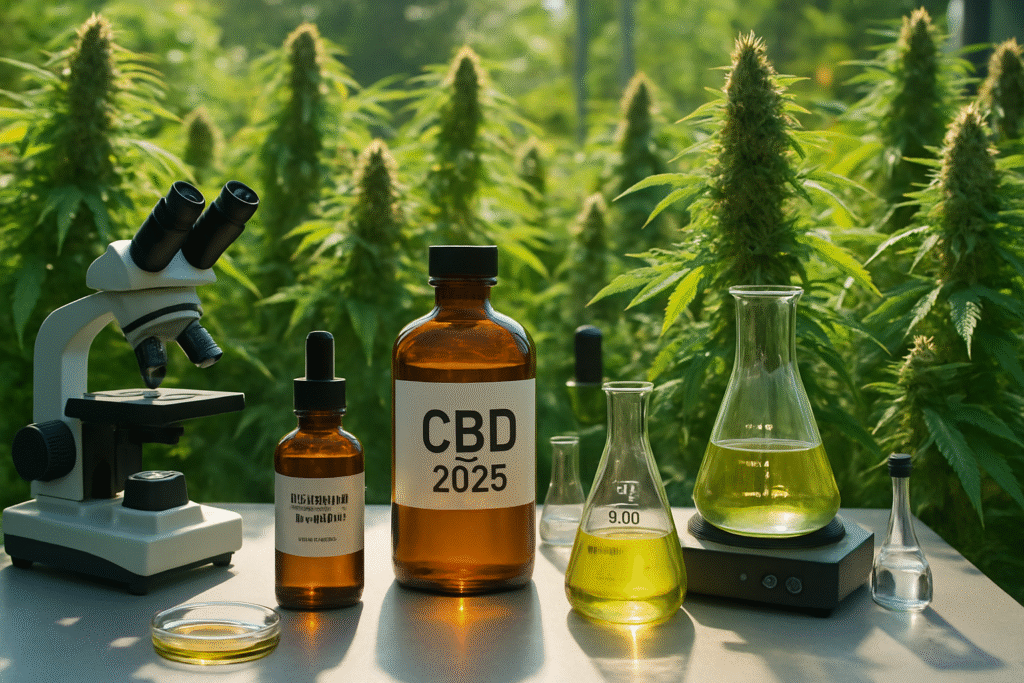
The landscape of CBD use within the cannabis industry in 2025 presents a dynamic convergence of science, regulation, and consumer interest. As federal deliberations around the rescheduling of cannabis bring anticipation, the role of cannabidiol (CBD) stands central in defining new market opportunities and wellness trends. Notably, the distinction between hemp-derived CBD and traditional cannabis products increasingly shapes legal and commercial frameworks, making the navigation of this sector both complex and promising. From the blossoming availability of diverse product formats—ranging from oils and tinctures to innovative vapes and edibles—to the emerging consumer insights around dosage and safety, understanding CBD’s multifaceted nature becomes essential. Established brands like Charlotte’s Web, Green Roads, and cbdMD continue to set benchmarks, while new market entrants leverage scientific advancements and sustainable cultivation practices to capture niche markets. Alongside, legal ambiguities concerning minor cannabinoids and hemp derivatives necessitate astute knowledge to mitigate regulatory risks and harness growth. This comprehensive guide unpacks these converging factors, illuminating the pathways for consumers, businesses, and advocates to successfully incorporate CBD in cannabis contexts in 2025.
Exploring the Fundamental Science and Functionality of CBD in Modern Cannabis Use
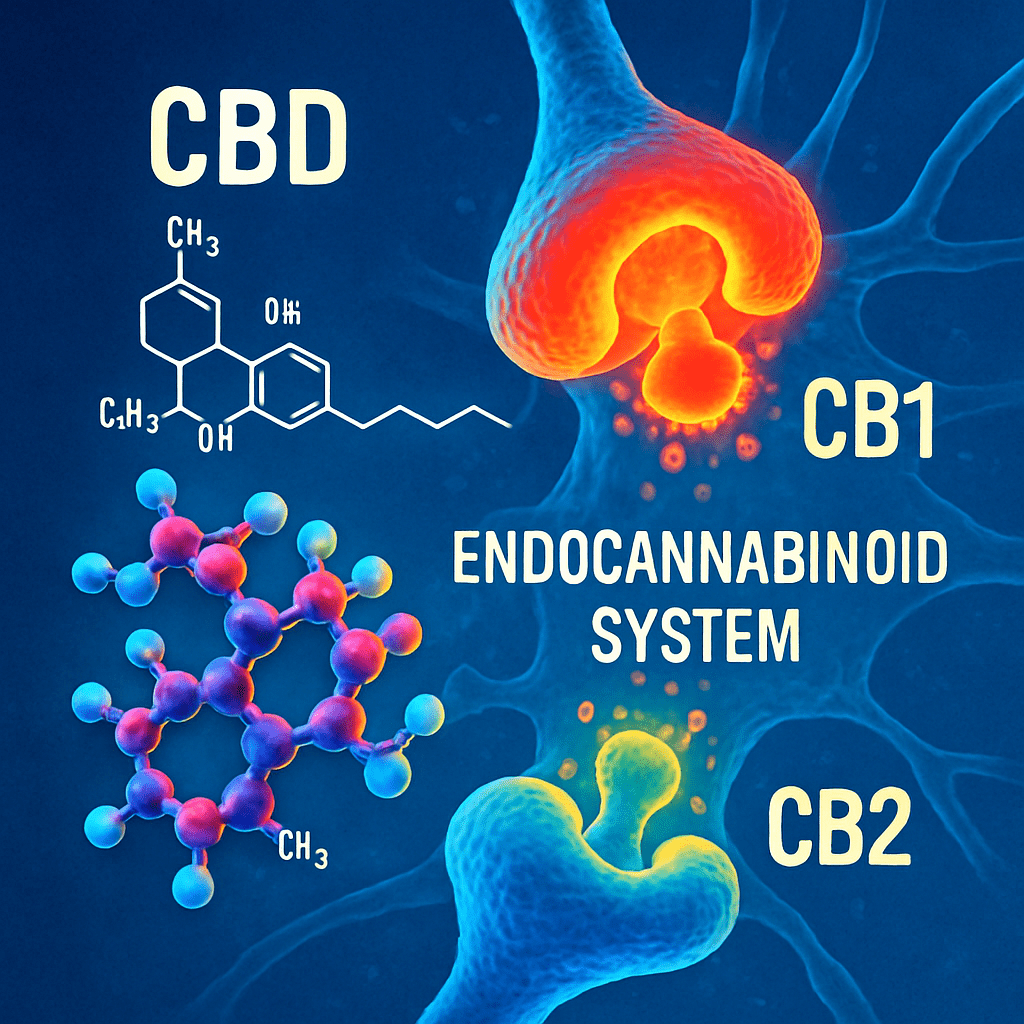
Cannabidiol, or CBD, has surged from obscurity to prominence as a versatile cannabinoid within the cannabis species. Its molecular structure closely resembles that of THC, sharing the formula C21H30O2, yet the slight differences in atomic arrangement prevent it from inducing intoxication. This non-psychoactive property has been pivotal in CBD’s acceptance across wellness and medical communities.
In-depth scientific understanding of CBD centers around its interaction with the human endocannabinoid system (ECS). The ECS is a regulatory network composed of endocannabinoids, receptors (notably CB1 and CB2), and metabolic enzymes, all vital for maintaining physiological balance. Unlike THC, which directly binds CB1 receptors producing euphoric effects, CBD modulates receptor activity indirectly, including inhibiting FAAH enzyme that degrades the endocannabinoid anandamide, sometimes termed the “bliss molecule.” This nuanced action across various receptor types, including serotonin (5-HT1A) and vanilloid receptors (TRPV1), explains CBD’s influence on pain relief, mood, inflammation, and immune response without intoxication.
Moreover, the “entourage effect,” a synergistic interaction between CBD, minor cannabinoids like CBG and CBN, terpenes, and flavonoids found in full-spectrum preparations, enhances bioactivity compared to isolated CBD. Consumers seeking a balanced effect often opt for full-spectrum or broad-spectrum products, while isolating CBD caters to those requiring precise dosing or avoidance of THC exposure.
Popular products from brands such as Green Roads and Lazarus Naturals highlight the application of these scientific principles, offering formulations that balance efficacy and safety. The ECS’s role in homeostasis elucidates why CBD’s utility spans from anxiety reduction and sleep support to its potential in managing inflammation and neurological disorders.
Decoding CBD Product Types and Their Applications
The market’s diversity reflects both consumer preferences and scientific insights, with three primary CBD product categories:
- Full-Spectrum CBD: Contains all natural cannabis compounds including trace THC (under 0.3%), offering maximum entourage effect benefits.
- Broad-Spectrum CBD: Similar to full-spectrum but processed to remove THC, catering to those who wish to avoid THC for legal or personal reasons.
- CBD Isolate: Pure CBD without other cannabinoids or terpenes, ideal for sensitive users or specific formulations.
The choice among these forms often depends on user tolerance, lifestyle considerations, and regulatory constraints.
| Product Type | THC Content | Effect Profile | Typical Use Cases |
|---|---|---|---|
| Full-Spectrum | Up to 0.3% | Enhanced entourage effect | General wellness, chronic symptoms |
| Broad-Spectrum | None detected | Entourage without THC | Drug testing concerns, THC avoidance |
| Isolate | Zero | Pure CBD with no entourage | Precise dosing, formulation base |
To remain updated on how product forms influence experience and benefits, readers can explore more at CBD wellness benefits in 2025.
Legal Complexities and Regulatory Evolution Shaping CBD Use in Cannabis Markets
CBD’s rapid rise coincides with a multifaceted legal landscape characterized by evolving federal and state regulations. The 2018 Farm Bill catalyzed hemp-derived CBD’s federal legality by removing hemp from controlled substances provided THC content remained below 0.3%. However, the FDA maintains oversight, particularly regarding CBD’s inclusion in food, supplements, and marketing claims, which complicates its classification.
Meanwhile, cannabis remains a Schedule I substance federally, pending the DEA’s expected reconsideration, creating an operational paradox for multi-state operators (MSOs) and consumers alike. This fragmentation yields several challenges:
- Varied state laws: States differ markedly in licensing, product testing, and labeling requirements, making interstate commerce difficult.
- Banking restrictions: Limited access to financial services forces cash-heavy transactions, elevating risk and operational costs.
- Ambiguous status of hemp-derived cannabinoids: Delta-8 THC and others flourish in legal gray zones, competing with traditional cannabis products but inviting regulatory scrutiny.
For businesses like Medterra and NuLeaf Naturals, understanding these intricacies is fundamental to compliance and sustainability. Advocacy for federal harmonization continues to grow as stakeholders press for clearer frameworks and equitable market conditions.
| Regulatory Aspect | Federal Status | State Variability | Impact on CBD Stakeholders |
|---|---|---|---|
| Hemp-derived CBD | Legal under Farm Bill (<0.3% THC) | Licensing, testing, sales regulated variably | Inconsistent market access, quality concerns |
| Cannabis-derived CBD | Schedule I (pending rescheduling) | Legal/recreational in many states | Restricted banking, limited federal research |
| Minor cannabinoids (e.g., Delta-8) | Legal gray area | Varies; some states ban or regulate strictly | Competitive threat; regulatory uncertainty |
For consumers weighing legal risks or seeking reliable suppliers, resources such as top CBD shops of 2025 provide vetted product recommendations amid this complexity.
Optimizing CBD Dosage and Delivery Methods for Targeted Wellness Outcomes
Effective CBD use hinges on matching dosage and product delivery to individual goals and physiological factors. Consumers new to CBD often face confusion over recommended doses, with tailored protocols becoming increasingly important.
Key factors influencing CBD dosing include:
- Body weight and metabolism: Larger individuals may require higher doses; metabolic rate affects absorption and duration.
- Endocannabinoid system variability: Personalized ECS responsiveness influences therapeutic threshold.
- Consumption method bioavailability: Sublingual absorption (20-35%) contrasts with oral digestion (10-20%) and inhalation methods offer faster onset.
- Product composition: Full-spectrum formulations may exert effects at lower doses than isolates due to the entourage effect.
General dosage frameworks for adults (sublingual or oral) begin with low amounts (5-10 mg daily), increasing slowly while documenting effects, a method sometimes called “start low, go slow.” For instance, mild symptom management may require 10-25 mg daily, while robust effects for chronic pain or anxiety may exceed 50 mg.
Delivery forms vary markedly in onset and duration, and should be selected per user needs:
- Oils and tinctures: Dropper-administered for precise dosing, onset within 15-30 minutes, lasting 4-6 hours.
- Capsules and edibles: Convenient but slower onset (up to 90 minutes) due to digestion; effects last longer.
- Topicals: Localized application for targeted relief without systemic absorption.
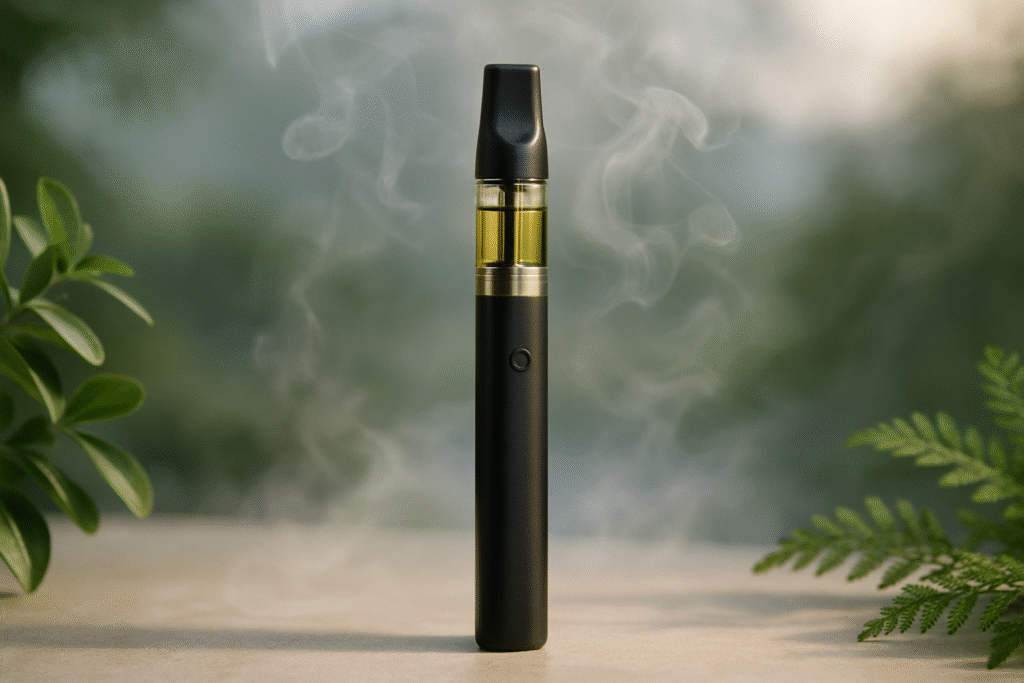
- Vaping: Rapid onset, high bioavailability, but with respiratory considerations.
- Hemp flowers: Inhaled or incorporated in preparations for combined terpene and cannabinoid effects.
| Delivery Method | Onset Time | Duration | Bioavailability | Best Uses |
|---|---|---|---|---|
| Oils/Tinctures (Sublingual) | 15-30 min | 4-6 hrs | 20-35% | General wellness, anxiety |
| Capsules/Edibles | 45-90 min | 6-8 hrs+ | 10-20% | Long-lasting symptom relief |
| Topicals | 15-45 min | 4-6 hrs | Minimal systemic | Localized pain, inflammation |
| Vaping | 1-5 min | 2-4 hrs | 30-50% | Fast relief |
| Hemp Flowers | Immediate (inhaled) | Varies | Variable | Whole-plant effects |
Those interested in edible CBD benefits and recipes can delve into this detailed resource that highlights practical consumption approaches.
Safety, Side Effects, and Best Practices in Responsible CBD Consumption
Given its growing popularity, safety considerations are paramount when integrating CBD into daily routines. Though CBD is considered well tolerated, users should remain informed about potential side effects and interactions, especially in vulnerable populations.
Common mild side effects include:
- Drowsiness or fatigue, especially at higher doses.
- Dry mouth due to reduced saliva production.
- Gastrointestinal discomfort including nausea or diarrhea.
- Appetite fluctuations.
- Lightheadedness or temporary blood pressure drops.
Rare but serious concerns such as liver enzyme elevations have been observed primarily with high-dose pharmaceutical forms.
Drug interactions constitute a critical factor; CBD can inhibit cytochrome P450 enzymes, affecting the metabolism of several prescription drugs such as warfarin, antiepileptics, and immunosuppressants. Individuals taking these medications should consult healthcare professionals and consider dosing separation to reduce risks.
Special population advisories include pregnant or breastfeeding women, children without medical supervision, and individuals with liver impairment, who should approach CBD use cautiously or avoid it altogether.
Reputable brands like Joy Organics and PureKana emphasize transparency in testing and dosing guidance to facilitate informed consumption. Consumers can also explore advice for pet-safe CBD products at CBD treats for dogs 2025, underscoring responsible practices across applications.
| Safety Aspect | Consideration | Recommended Action |
|---|---|---|
| Side Effects | Mild fatigue, dry mouth, GI issues | Start low dose; hydrate; monitor symptoms |
| Drug Interactions | Inhibits CYP450 enzymes; affects drug metabolism | Consult doctor; dose separation; monitor |
| Special Populations | Pregnant women, children, liver issues | Avoid or use only under medical supervision |
| Product Quality | Potential for contaminants and inaccurate labeling | Choose trusted brands with CoA testing |
Emerging Market Trends and the Competitive Landscape of CBD in 2025’s Cannabis Sector
The rapidly maturing cannabis industry in 2025 witnesses intense competition with CBD taking a pivotal role in product innovation and consumer engagement. Larger corporations and nimble startups alike are leveraging scientific research, branding, and diversified portfolios to gain advantage amidst regulatory flux and fragmented markets.
Key market trends shaping 2025 include:
- Rise of microdosing: Consumers seeking subtle benefits increasingly adopt low-dose CBD products for daily wellness without sedation.
- Profiled cannabinoids and formulations: Custom blends incorporating minor cannabinoids like CBG or CBN alongside CBD for targeted effects.
- Expansion of pet CBD products: Reflecting growing demand, safe formulas tailored for animal use become mainstream.
- Sustainable cultivation and extraction: Environmental emphasis drives adoption of regenerative agriculture and solvent-free CO₂ extraction.
- Integration of education and transparency: Brands prioritize detailed product information, dosing guidance, and third-party testing to build trust.
Companies such as Charlotte’s Web, Hemp Bombs, and cbdMD exemplify leadership in these domains, helping consumers navigate choices amidst evolving science and regulation.
| Trend | Impact on Industry | Examples |
|---|---|---|
| Microdosing | Appeals to wellness seekers; lower product doses | Custom tinctures with 2-5mg CBD doses |
| Minor Cannabinoid Blends | Differentiated product portfolios | CBD + CBG or CBN formulations |
| Pet Products | Expanded market segment | CBD treats and oils for dogs and cats |
| Sustainable Practices | Brand differentiation; consumer trust | Organic hemp farms; CO₂ extraction |
| Consumer Education | Informed purchasing; regulatory compliance | Detailed labeling; QR-coded CoA access |
For those seeking trusted distributors and retailers embracing these trends, select top CBD distributors offers curated listings tailored to 2025’s evolving market.
Frequently Asked Questions About CBD in Cannabis Use
- Will CBD products cause a psychoactive high?
- Properly produced CBD, particularly from hemp with less than 0.3% THC, does not induce intoxication. Users may experience relaxation, but no euphoric effects like THC.
- Can CBD show up on a drug test?
- Standard drug tests screen for THC. Full-spectrum CBD products contain trace THC that could accumulate with heavy use, risking positive results. Broad-spectrum or isolate products reduce this risk, but cross-contamination may occur.
- How long do CBD effects typically last?
- Duration varies by dose and consumption method, generally lasting 2-8 hours. Inhaled forms act fastest but wear off sooner, while edibles last longest.
- Is CBD safe to use with other medications?
- Consult a healthcare professional before combining CBD with prescription medicines due to potential metabolic interactions, especially with blood thinners and antiepileptics.
- Are CBD products addictive?
- Current research indicates CBD has a low abuse potential and is not considered addictive.